
Plantar warts are small growths that develop on parts of the feet that bear weight. They're typically found on the bottom of the foot. Don't live with plantar warts, and call us today!
Plantar warts are small growths that develop on parts of the feet that bear weight. They're typically found on the bottom of the foot. Don't live with plantar warts, and call us today!
 Many ankle sprains can improve with exercises and therapy, but in some cases, surgery is necessary. Surgical treatment focuses on the ligaments in the ankle, which are like bands holding the bones together. There are two main surgical approaches for ankle sprains. One involves repairing the ligaments to make them stable and stronger. The other method uses a piece of tendon to replace the damaged ligaments, offering increased stability. The primary goal of surgery is to restore the ankle's strength and stability, reducing the risk of further injuries. Each approach has its pros and cons. Ligament repair allows for better ankle movement and quicker healing, while tendon grafts provide more stability but may require a longer recovery period. There is also a small risk of nerve injury associated with the tendon graft method. Podiatrists typically attempt the ligament repair method first, reserving the tendon graft approach for cases where the initial surgery does not yield the desired results or when the ankle instability is particularly severe. If you have had repeated ankle sprains, it is suggested that you schedule an appointment with a podiatrist to discuss whether ankle surgery is appropriate for you.
Foot surgery is sometimes necessary to treat a foot ailment. To learn more, contact one of our podiatrists of Mt Rose Foot & Ankle Specialists. Our doctors will assist you with all of your foot and ankle needs.
When Is Surgery Necessary?
Foot and ankle surgery is generally reserved for cases in which less invasive, conservative procedures have failed to alleviate the problem. Some of the cases in which surgery may be necessary include:
What Types of Surgery Are There?
The type of surgery you receive will depend on the nature of the problem you have. Some of the possible surgeries include:
Benefits of Surgery
Although surgery is usually a last resort, it can provide more complete pain relief compared to non-surgical methods and may allow you to finally resume full activity.
Surgical techniques have also become increasingly sophisticated. Techniques like endoscopic surgery allow for smaller incisions and faster recovery times.
If you have any questions, please feel free to contact our office located in Reno, NV . We offer the newest diagnostic and treatment technologies for all your foot care needs.
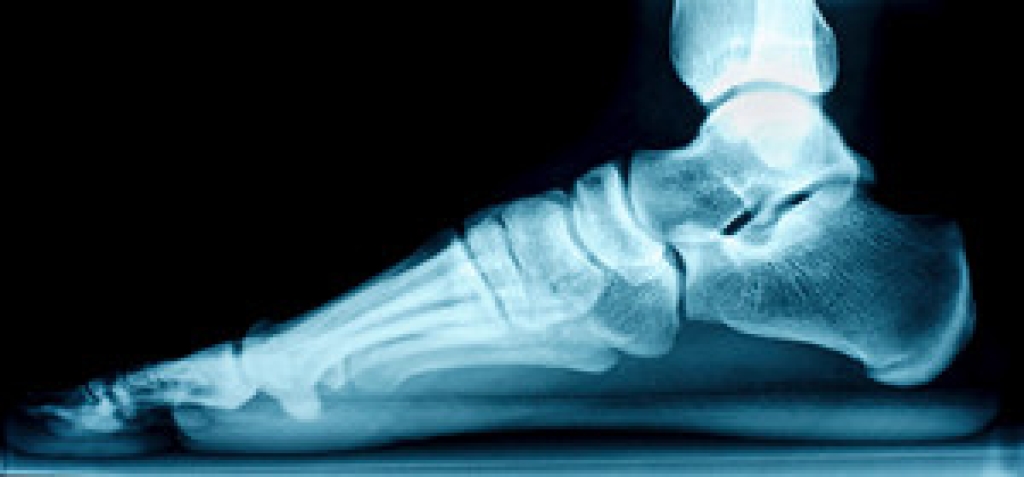
Flat feet, a common condition where the arches of the feet touch the ground, come in different forms, each requiring tailored exercises for optimal support. Rigid flat feet lack arch flexibility, necessitating exercises that focus on improving overall foot strength and flexibility. Flexible flat feet, characterized by arch collapse under weight-bearing, benefit from exercises that emphasize arch stabilization and muscle engagement. Exercises that target the intrinsic and extrinsic muscles of the feet, along with those promoting ankle and calf flexibility, play a vital role in supporting individuals with flat feet. Embracing such exercises empowers individuals to enhance their foot mechanics, fostering stability and minimizing discomfort associated with flat feet. If you have flat feet, it is strongly suggested that you are under the care of a podiatrist who can help you with specific foot stretches.
Flatfoot is a condition many people suffer from. If you have flat feet, contact one of our podiatrists from Mt Rose Foot & Ankle Specialists. Our doctors will treat your foot and ankle needs.
What Are Flat Feet?
Flatfoot is a condition in which the arch of the foot is depressed and the sole of the foot is almost completely in contact with the ground. About 20-30% of the population generally has flat feet because their arches never formed during growth.
Conditions & Problems:
Having flat feet makes it difficult to run or walk because of the stress placed on the ankles.
Alignment – The general alignment of your legs can be disrupted, because the ankles move inward which can cause major discomfort.
Knees – If you have complications with your knees, flat feet can be a contributor to arthritis in that area.
Symptoms
Treatment
If you are experiencing pain and stress on the foot you may weaken the posterior tibial tendon, which runs around the inside of the ankle.
If you have any questions, please feel free to contact our office located in Reno, NV . We offer the newest diagnostic and treatment technologies for all your foot care needs.

Embarking on the journey to become a podiatrist is a commitment that demands dedication and years of focused education. The path typically begins with earning a bachelor's degree, setting the foundation for the pursuit of a Doctor of Podiatric Medicine, or DPM, degree. DPM programs generally span four years, delving into a comprehensive curriculum covering anatomy, pharmacology, and specialized podiatric subjects. Following graduation, aspiring podiatrists must complete a residency program, usually lasting three years, to gain practical experience and refine their skills in a clinical setting. Successful completion of both the DPM program and the residency is essential for obtaining a state license to practice as a podiatrist. This investment in time and commitment is essential for individuals aspiring to provide specialized care for foot and ankle health. If you are interested in pursuing podiatry as a career choice, it is suggested that you speak to this type of doctor who can answer your questions and address any concerns you may have.
If you are dealing with pain in your feet and ankles, you may want to seek help from a podiatrist. Feel free to contact one of our podiatrists from Mt Rose Foot & Ankle Specialists. Our doctors can provide the care you need to keep you pain-free and on your feet.
What Is a Podiatrist?
A podiatrist diagnoses and treats conditions of the foot, ankle, and related structures of the leg. Your podiatrist may specialize in a certain field such as sports medicine, wound care, pediatrics, and diabetic care. Podiatrists have the ability to become board certified through training, clinical experience, and then taking an exam.
What Do Podiatrists Do?
On a daily basis, a podiatrist may perform the following activities:
It is very important that you take care of your feet. It’s easy to take having healthy feet for granted, however foot problems tend to be among the most common health conditions. Podiatrists can help diagnose and treat a variety of feet related conditions, so it is crucial that you visit one if you need assistance.
If you have any questions, please feel free to contact our office located in Reno, NV . We offer the newest diagnostic and treatment technologies for all your foot care needs.

A bunion, a common foot deformity, is characterized by the gradual misalignment of the joint at the base of the big toe. This condition results in the enlargement of the joint, causing the big toe to angle toward the other toes. Bunions can lead to discomfort and pain due to the increased pressure on the joint and the rubbing of shoes against the protruding bone. Symptoms often include redness, swelling, and tenderness at the affected site, accompanied by restricted movement of the big toe. Wearing ill-fitting shoes, especially those with a narrow toe box, can exacerbate bunion development. Genetics also play a role, as certain foot structures and inherited tendencies can contribute to bunion formation. If you have a bunion, it is strongly suggested that you visit a podiatrist who can provide you with appropriate relief and treatment options.
If you are suffering from bunions, contact one of our podiatrists of Mt Rose Foot & Ankle Specialists. Our doctors can provide the care you need to keep you pain-free and on your feet.
What Is a Bunion?
A bunion is formed of swollen tissue or an enlargement of boney growth, usually located at the base joint of the toe that connects to the foot. The swelling occurs due to the bones in the big toe shifting inward, which impacts the other toes of the foot. This causes the area around the base of the big toe to become inflamed and painful.
Why Do Bunions Form?
Genetics – Susceptibility to bunions are often hereditary
Stress on the feet – Poorly fitted and uncomfortable footwear that places stress on feet, such as heels, can worsen existing bunions
How Are Bunions Diagnosed?
Podiatrists often perform two tests – blood tests and x-rays – when trying to diagnose bunions, especially in the early stages of development. Blood tests help determine if the foot pain is being caused by something else, such as arthritis, while x-rays provide a clear picture of your bone structure to your provider.
How Are Bunions Treated?
If you have any questions, please feel free to contact our office located in Reno, NV . We offer the newest diagnostic and treatment technologies for all your foot care needs.
Connect With Us
